
The Psychology of Color in Home Remodeling

Quick…what’s your favorite color?
It’s one of the most commonly asked questions, one that most of us can answer immediately, sometimes passionately. Our favorite colors are tied to memory and meaning, representative of who we are and how we hope to be perceived in the world. Colors have been used throughout time to symbolize power, passion, peace, envy, joy, danger, and so much more. And because we associate color with certain traits, the way we incorporate it into our surroundings can influence our emotions, behavior, mood, and even our perception of space. Which is why the psychology of color plays such a central role in interior design.
Let’s explore how different colors can shape the ambiance of a room.

Calm and Tranquil Blues
Blue is often associated with calm and tranquility. It invokes a sense of serenity and peace. Lighter shades of blue, such as soft pastels or aqua blues, can create an airy and soothing atmosphere, making them an excellent choice for bedrooms and bathrooms. On the other hand, deeper blues can lend a touch of elegance to living rooms and kitchens.
Energizing Reds
Red is a bold and stimulating color that can evoke strong emotions. It’s often associated with passion, excitement, and energy. While a little red can add vibrancy to a space, using it sparingly is advisable as it can be overwhelming. Consider incorporating red as an accent color through artwork, throw pillows, or smaller furniture pieces to add warmth and intensity to your home.
 Optimistic Yellows
Yellow exudes positivity and optimism. It’s known to promote a sense of happiness and energy. Light shades of yellow can make small spaces appear more expansive, while bolder yellows can create a lively and cheerful atmosphere. Kitchens, dining areas, and home offices are ideal places to introduce this sunny hue.
Natural Greens
Green represents nature and is associated with growth, harmony, and tranquility. Different shades of green can transform your home into a serene retreat. Soft greens can create a sense of calm in bedrooms and bathrooms, while deeper greens can lend an earthy touch to living rooms and home offices.
 Soothing Purples
Purple is associated with luxury, spirituality, and creativity. Light purples, like lavender or lilac, can create a calm and elegant ambiance, making them an excellent choice for bedrooms. Darker purples, on the other hand, can add a touch of sophistication to living rooms or home libraries.
Cozy Oranges
Orange is a warm color that evokes feelings of comfort and enthusiasm. It can create a welcoming atmosphere in areas like the living room or kitchen. However, like red, orange should be used in moderation to avoid overwhelming the space.
 Timeless Neutrals
Neutrals such as whites, grays, and beiges are versatile and timeless. They provide a blank canvas for personalization and can make a space feel open, clean, and inviting. Neutrals are an excellent choice for rooms where you want to showcase other design elements, such as artwork, furniture, or architectural features.
Time and Place Matter
The psychology of color is not one-size-fits-all; cultural, personal, and situational factors highly influence it. When selecting colors, consider the location, purpose, and the amount of natural light a room receives. What works in a spacious living room might not be suitable for a small home office. Test paint samples and observe how colors change throughout the day due to varying light conditions.
Understanding the psychology of color can help you create intentional atmospheres that transform your space into a haven that suits your unique style and personality. As you plan your dream home remodel, remember to take your time, experiment with samples, and consult with professionals to create a look that truly resonates with your desired ambiance. Whether you’re seeking tranquility, energy, warmth, or refinement, the right color palette can help you achieve the perfect mood for every room in your home.
Explore by Topic:
- Basement Finishing (12)
- Basement Remodeling (6)
- Bathroom remodel (10)
- Home Addition (2)
- Home Maintenance (5)
- Home Remodel (32)
- Home Repairs (11)
- Kitchen Remodel (16)
- Painting (3)
See more posts:
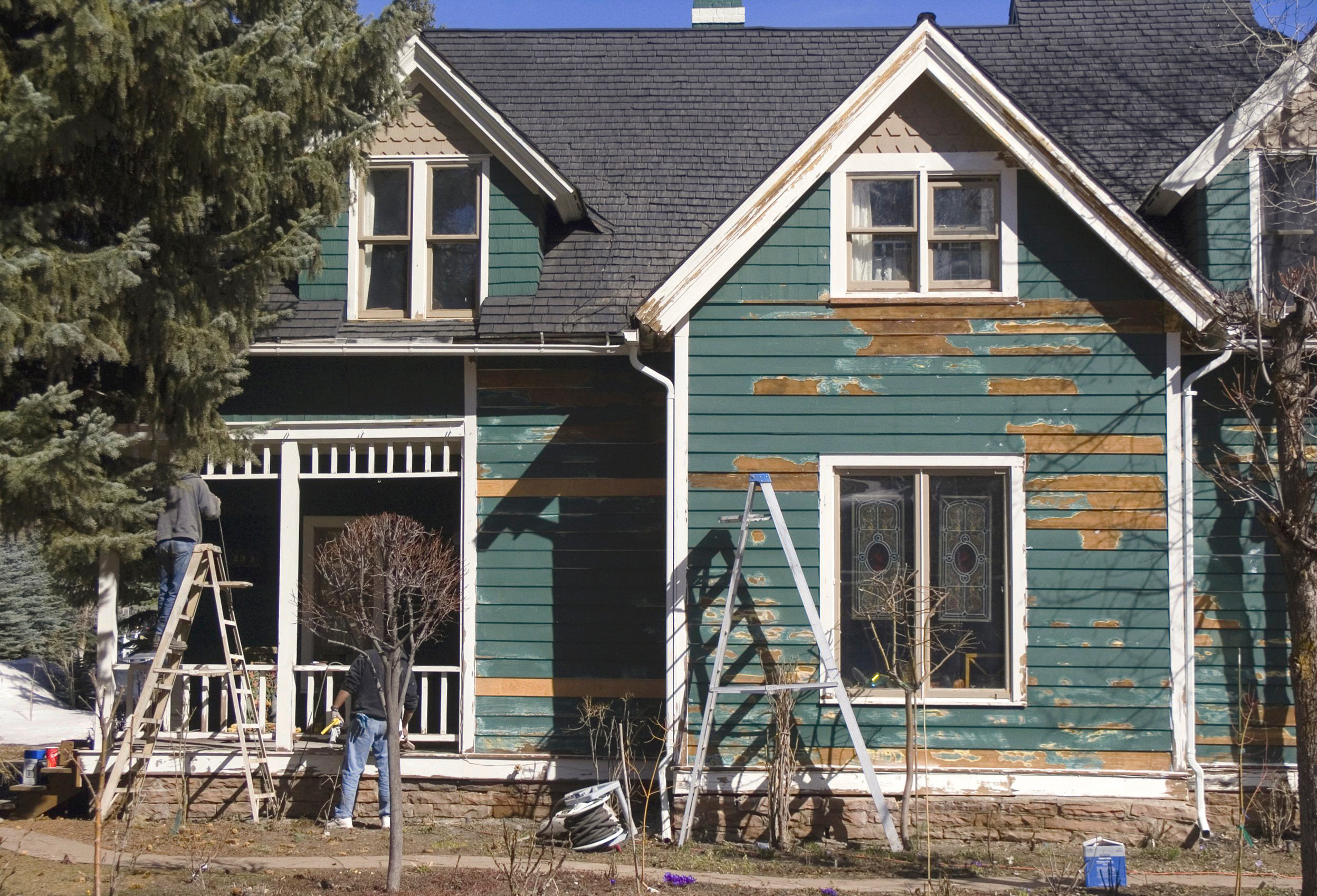
What to Expect When Remodeling an Older Home
Remodeling an older home usually means more unknowns: wiring, plumbing, and framing that previous owners changed, and materials like lead…
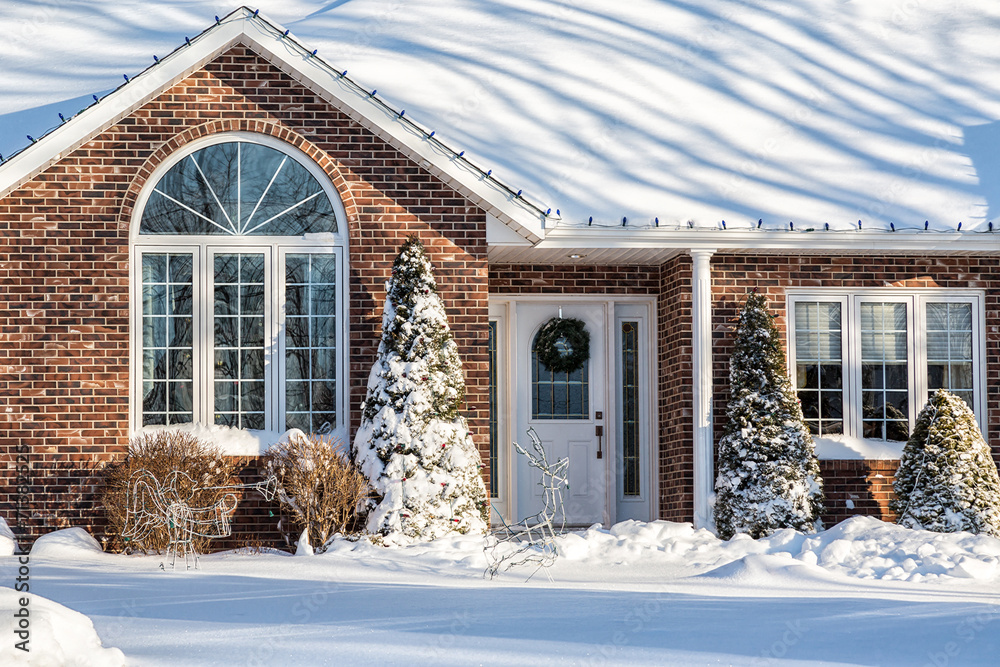
Should You Remodel in Winter or Wait Until Spring?
It’s 28 degrees outside, there’s snow in the driveway, and you’re thinking about tearing apart your kitchen. Bad timing? Not…
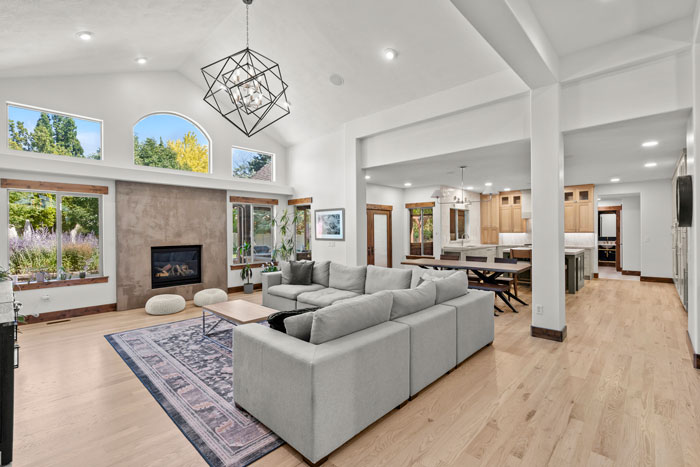
To Move or Build a Home Addition? That is the Question.
How to Decide What’s Best for Your Family You need more space. The harder question is where to get it.…
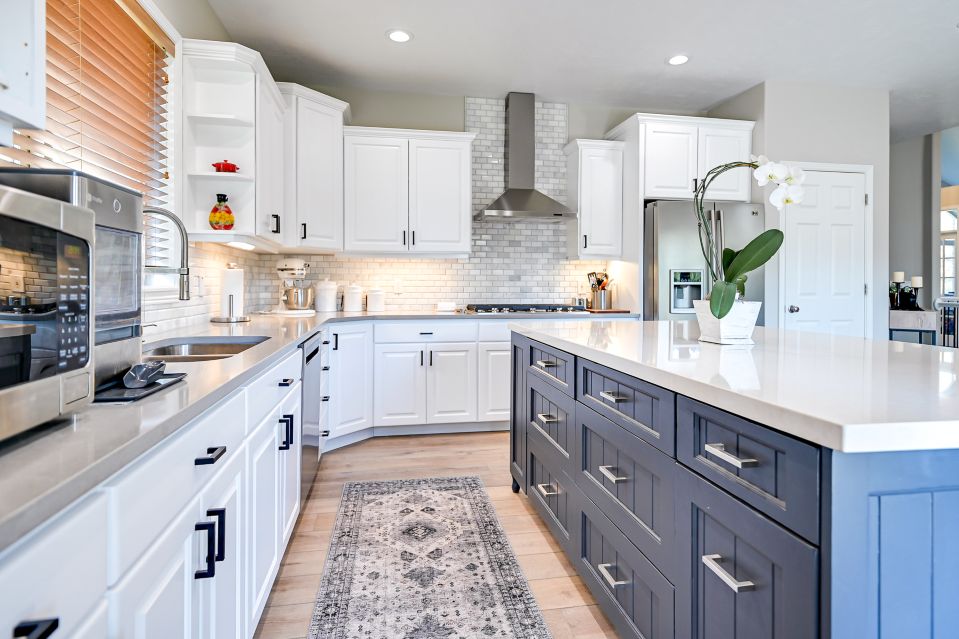
It Takes 21 People to Remodel a Home. Do NOT Hire Them All Yourself
When most homeowners picture a remodel, they picture a contractor with a tool belt and a pickup truck. The reality?…