
Should You Paint It Yourself, or Hire It Out?

For one room with sound walls, a weekend and a careful hand will get you a result you’re happy with. Painting is one of the few parts of a house that rewards patience more than training.
What tips the decision isn’t the painting. It’s everything around it.
The work isn’t the rolling, it’s the prep
Ask anyone who does this for a living and they’ll tell you the same thing: the finish is decided before the first coat goes on. Patching, sanding, caulking, taping, masking, priming the spots that need it. That’s the majority of the hours, it’s the least satisfying part, and it’s the part most DIY jobs shortcut.
A pro isn’t rolling faster than you. They’re prepping properly and not stopping to figure out what to do next.
When it stops being a painting job
Some jobs look like painting and aren’t:
Anything above one story. Exterior second-story work means ladders, staging, and fall risk. This is the clearest case for hiring it out, and it’s not close.
Water damage. If there’s staining, the source has to be fixed first and the damaged material usually has to come out. Painting over it is a temporary measure at best.
Failing drywall or plaster. Cracks that keep opening, seams that have let go, plaster keying off the lath in an older home — these need a drywall or plaster repair before anyone picks up a brush.
Pre-1978 homes. Federal rules govern how lead paint gets disturbed, and a lot of Utah’s older housing stock qualifies. Prep work on those surfaces should be done by someone certified for it.
Cabinets. Cabinet refinishing is closer to furniture work than wall painting — degreasing, deglossing, sprayed finishes, and a cure time you have to respect. Brush marks on a wall disappear. Brush marks on a cabinet door are what you look at every morning.
What hiring it out actually buys you
Three things, concretely.
Someone who is licensed and insured, which matters the moment a ladder goes up or a drop cloth doesn’t catch something. Someone who knows the products — which primer bonds to what, how a paint behaves in Utah’s dry air, how long a finish really needs before it’s handled. And someone whose schedule the job belongs to, so it gets finished rather than living half-done in your dining room for six weeks.
Where we fit
We manage painting as part of the remodels we’re building — it’s a stage in the project, sequenced with drywall, trim, and cabinets, and covered by the same contract as the rest of the work.
We don’t take standalone painting jobs. If your walls are sound and you want new color, hire a painter directly; you’ll get a better price and it’ll happen sooner than a remodeling schedule allows.
If the painting question is really a “this room doesn’t work anymore” question, that’s the one we’re built for.
If you’re weighing a larger project, a conversation about what your home and lot can support is the useful first step. Contact our team.
Explore by Topic:
- Basement Finishing (12)
- Basement Remodeling (6)
- Bathroom remodel (10)
- Home Addition (2)
- Home Maintenance (5)
- Home Remodel (32)
- Home Repairs (11)
- Kitchen Remodel (16)
- Painting (3)
See more posts:
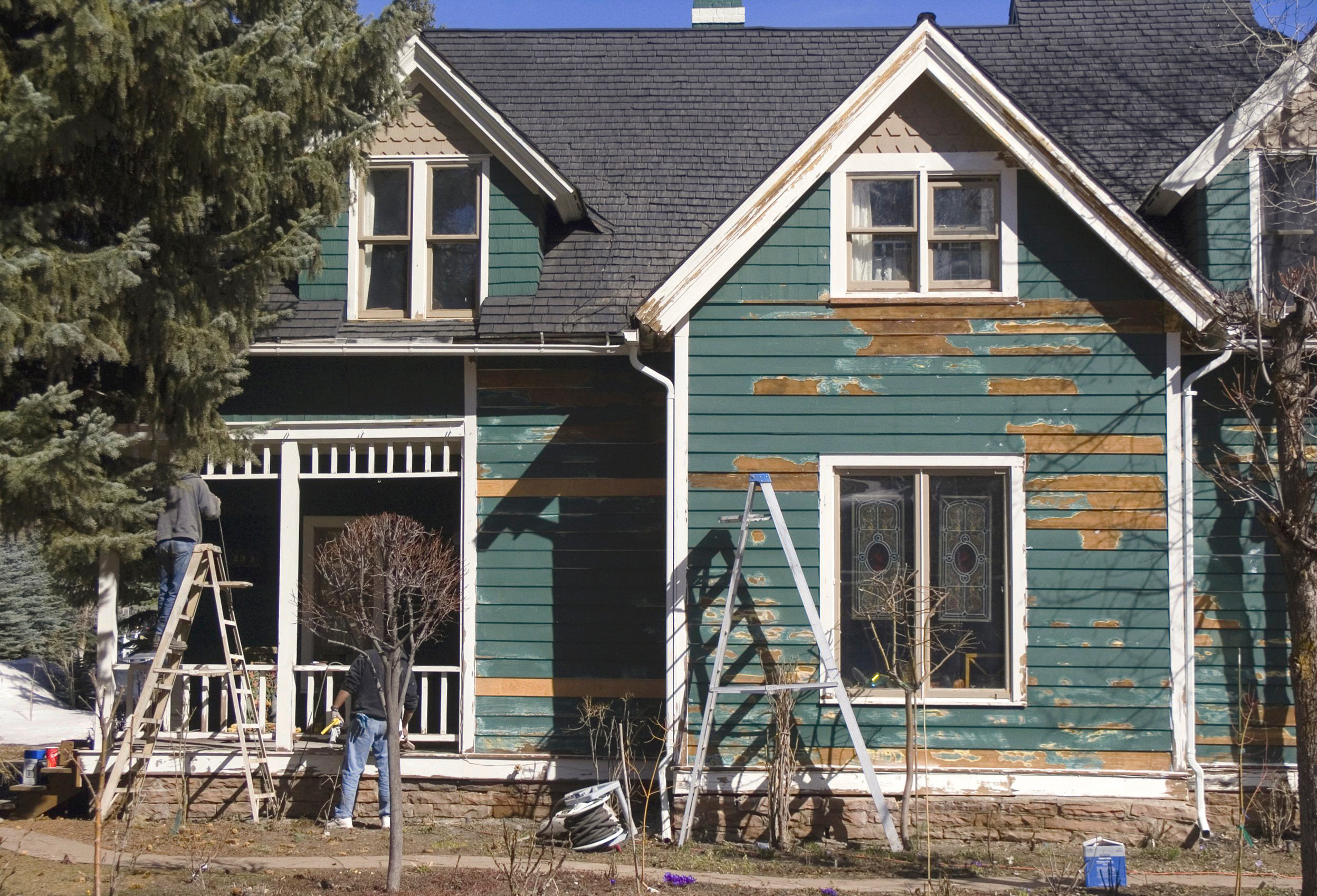
What to Expect When Remodeling an Older Home
Remodeling an older home usually means more unknowns: wiring, plumbing, and framing that previous owners changed, and materials like lead…
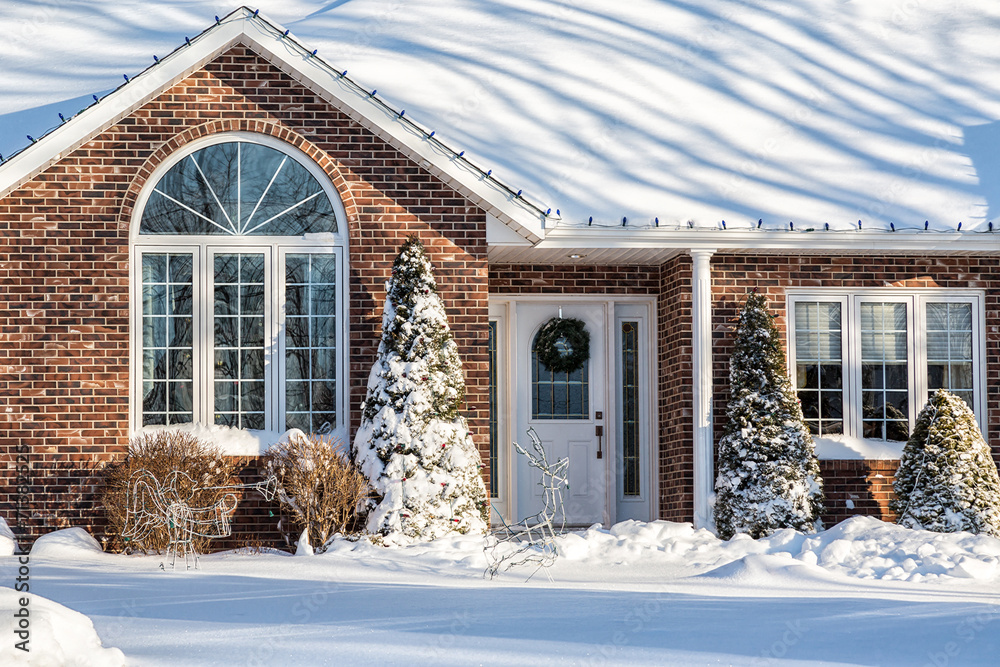
Should You Remodel in Winter or Wait Until Spring?
It’s 28 degrees outside, there’s snow in the driveway, and you’re thinking about tearing apart your kitchen. Bad timing? Not…

To Move or Build a Home Addition? That is the Question.
How to Decide What’s Best for Your Family You need more space. The harder question is where to get it.…
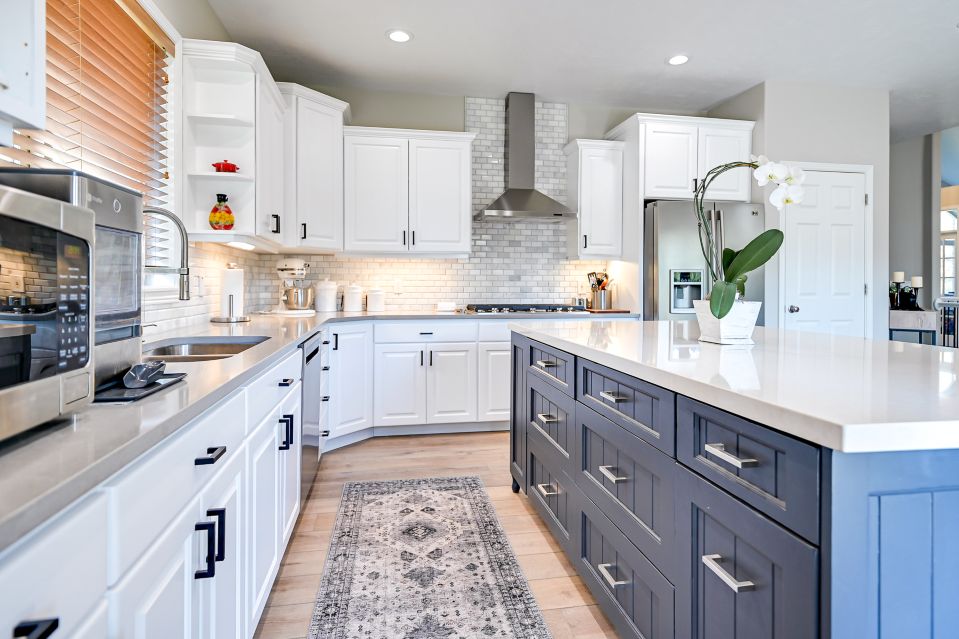
It Takes 21 People to Remodel a Home. Do NOT Hire Them All Yourself
When most homeowners picture a remodel, they picture a contractor with a tool belt and a pickup truck. The reality?…