
How Long Does It Take to Remodel a Kitchen? A Realistic Timeline (Utah Edition)
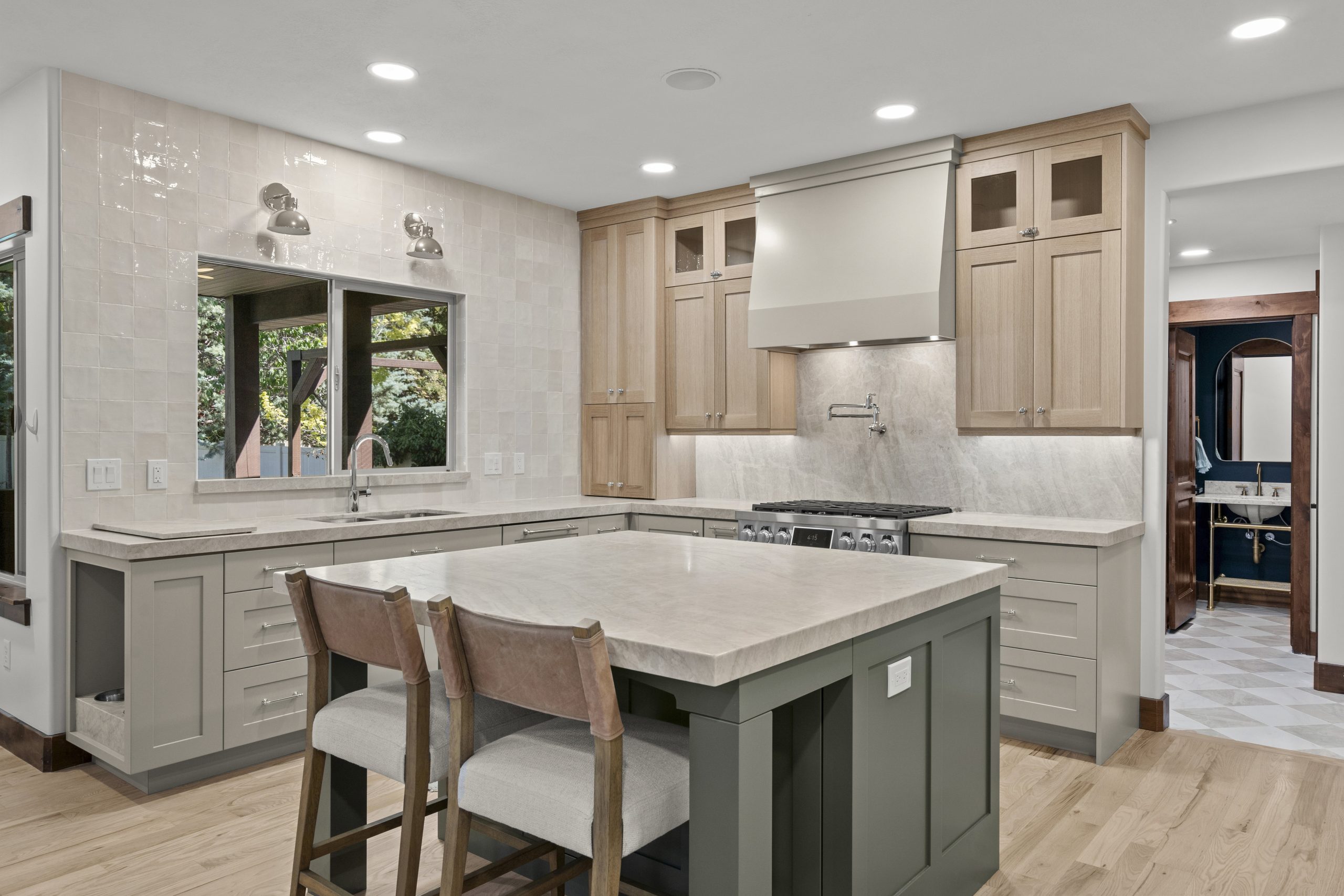
At Utah Home Remodel Experts, we get this question every week—usually right after, “So… how many nights of takeout are we talking?”
Here’s the honest answer: a kitchen remodel isn’t one task—it’s a sequence. Different trades happen in a specific order, inspections can create pauses, and a few materials (looking at you, cabinets and countertops) can steer the schedule more than people expect.
This guide breaks down all the details so you can know what to expect as you plan your kitchen remodel project.
The quick answer (a basic range to get you started)
- Cosmetic update (paint, hardware, lighting, minor swaps): ~1–2 weeks
- Typical full kitchen remodel (new cabinets, counters, flooring, appliances): ~6–12 weeks (once construction starts)
- Major remodel with layout + plumbing/electrical moves: ~3–5 months (sometimes longer depending on complexity and selections)
Good news: Just because your kitchen remodel takes 6-12 weeks doesn’t mean your kitchen will be unusable during that full window. Most kitchens are out of commission for less time than the full remodel—but the “no sink/no stove” window depends on scope, sequencing, and how quickly long-lead items show up.
Timeline by scope (and how long you’ll be living like a college kid)
| Scope | What’s included | Typical total timeline | Typical kitchen downtime | Biggest delay risks |
| Refresh / cosmetic | Paint, hardware, lighting, maybe faucet/sink swap, minor fixes | 1–2 weeks | 0–7 days (often partial use) | Backordered fixtures, “since we’re at it…” scope creep |
| Pull-and-replace (same layout) | New cabinets, counters, backsplash, flooring, appliances; minimal plumbing/electrical moves | 6–12 weeks (construction) | 3–6 weeks (varies by sequencing + countertop lag) | Countertop fabrication gap, appliance delays, decisions made late |
| Major remodel (layout change / gut) | Wall changes, moved plumbing/electrical, permits/inspections, sometimes structural | 3–5 months (often longer if custom/structural) | 6–10+ weeks | Permit/inspection scheduling, hidden conditions, custom materials lead times |
Real talk: The schedule usually doesn’t blow up because demo took too long. It blows up because decisions weren’t finalized before demo—or materials aren’t ready when the next phase needs them. It’s also worth noting that schedule and budget are tied together. Rushed timelines increase mistakes; change orders increase both duration and cost.
The kitchen remodel timeline (phase-by-phase)
This phase schedule is the practical, project-manager view of what happens and when, how long it takes, and what can slow it down. Times are ranges because every home is different—especially in Utah where older homes, additions, and past DIY “adventures” show up more often than anyone wants to admit.
| Phase | Typical duration | Depends on | What delays it | What you can do to keep it moving |
| 1) Planning + scope | 2–4 weeks | How many options you’re considering; whether layout changes | Indecision; changing scope mid-design | Lock in your must-haves, define budget, pick a direction early |
| 2) Contractor selection | 1–3 weeks | Contractor availability; scope clarity | Waiting on bids; unclear scope | Provide a clear scope and selections list so bids match reality |
| 3) Permits + pre-construction | 1–4+ weeks | Whether you’re moving plumbing/electrical; structural changes | Permit review cycles; inspection scheduling | Ask: who pulls permits, what inspections are expected, and what triggers them |
| 4) Demolition + prep | 1–2 weeks | Size; how much is being removed; disposal logistics | Hidden damage; unexpected plumbing/electrical issues | Pack the kitchen early; plan a temporary kitchen before demo day |
| 5) Rough construction (framing, plumbing + electrical + HVAC rough-ins) | 1–4 weeks | Layout changes; code updates; age of home | Inspection timing; surprises behind walls | Finalize lighting/outlet plan before rough-in; approve changes quickly |
| 6) Close-up (insulation, drywall, paint) | 1–2 weeks | Extent of wall work; dry times | Rework after inspection; drying delays | Don’t change your mind and move things after walls are closed |
| 7) Cabinets install | 3–7 days | Cabinet complexity; site readiness | Cabinets not delivered; wrong specs | Order early; confirm final layout/specs before demo |
| 8) Countertops (template → fabricate → install) | 2–4+ weeks | Material; fabricator schedule | Fabrication queue; re-template needs | Choose material early; schedule templating immediately after cabinets |
| 9) Flooring + backsplash + trim | 1–2 weeks | Tile patterns; flooring type; detail level | Tile delays; trade coordination | Approve tile layout, grout, and finish details ahead of time |
| 10) Fixtures + appliances + final hook-ups | 3–7 days | Appliance readiness; utility connections | Appliance delays; wrong cut sheets | Verify appliance requirements early (power/gas/venting/water line) |
| 11) Punch list + final walkthrough | 1–2 weeks | Project size; finish complexity | Backordered parts; touch-up scheduling | Do one thorough punch list pass and prioritize must-fix items |
| 12) Post-construction buffer | 7–10 days | How the first week of real use goes | “Small stuff” discovered after move-in | Test everything: drawers/doors, outlets, GFCIs, disposal, water pressure |
Bottom line: Many full kitchen remodels land in the 6–12 week range for on-site work. Layout changes, permits, and custom selections push that timeline longer.
What makes a kitchen remodel take longer (and how we help you avoid it)
1) Decisions made after demo
Changing your mind once the kitchen is torn apart is like changing a flight after boarding—it’s possible, but it gets expensive and it rarely goes fast.
Avoid it by finalizing these decisions before demo:
- cabinet layout + sizes
- appliance specs (cut sheets)
- sink location
- lighting/outlet plan
- tile selections + grout
- countertop material + edge profile
- hood/venting plan
2) Materials that aren’t ready when the schedule needs them
A crew can’t install cabinets that don’t exist yet. Same goes for appliances and specialty fixtures.
Avoid it by:
- ordering long-lead items early
- confirming delivery windows before scheduling demo
- having a “Plan B” option for anything at risk of delay
3) Permits + inspections
If you’re moving plumbing/electrical or changing structure, you’re dealing with inspections—so the schedule isn’t just about construction.
Avoid it by:
- clarifying permit responsibility upfront
- building a small buffer into the timeline
- sequencing work so inspections don’t stop progress
4) Hidden conditions (especially in older homes)
Once walls open up, you may discover outdated wiring, old plumbing, water damage, or framing issues.
Avoid it by:
- planning schedule and budget contingencies
- treating “surprise fixes” as normal—not a catastrophe
Can you live at home during a kitchen remodel?
Usually, yes. But expect disruption, noise, dust control, and temporary limitations.
Our recommendation: plan a temporary kitchen setup before demo so you’re not washing dishes in a bathtub on day three (it happens).
Temporary kitchen checklist
- microwave / toaster oven / air fryer
- coffee maker + kettle (protect this at all costs)
- mini fridge or cleared-out garage fridge
- dish bin + drying rack
- paper plates for the messiest stretch
- a small “clean zone” table or counter
FAQs
How long does a typical kitchen remodel take?
Most full kitchen remodels take 6–12 weeks once construction starts, but major layout changes can push it to 3–5 months (or longer).
How long will my kitchen be unusable?
Usually several weeks, depending on scope and sequencing. Countertops often add downtime because they’re typically templated after cabinets and then fabricated.
How long does demo take for a kitchen remodel?
Often 1–2 weeks including prep and haul-off, with longer timelines if hidden issues appear.
How long does it take to install kitchen cabinets?
Cabinet installation is commonly 3–7 days, assuming cabinets are delivered and the site is ready.
How long do countertops take after cabinets?
A common timeline is about 2–4+ weeks from measurement to install, depending on material and fabricator schedule.
Do I need permits for a kitchen remodel?
Often yes if you’re doing electrical, plumbing, or structural changes. Requirements vary by city and by scope, so this should be confirmed early.
What’s the fastest way to remodel a kitchen?
Keep the same layout, finalize selections before demo, and order long-lead items early.
Why do kitchen remodels take so long?
Because multiple trades work in sequence—and inspections, lead times, and gaps between phases can bottleneck the schedule.
Ready to get your timeline started?
If you’re ready to get your kitchen remodel going, contact Utah Home Remodel Experts today. We’ll help you plan and figure out the scope of your project, get you realistic bids and timelines, and communicate clearly with you every step of the way. We know a kitchen remodel can be a major disruption on your life, but with the right contractor and a clear set of expectations, the disruption can be minimized and your investment of time and money will be worth it.
Explore by Topic:
- Basement Finishing (12)
- Basement Remodeling (6)
- Bathroom remodel (10)
- Home Addition (2)
- Home Maintenance (5)
- Home Remodel (32)
- Home Repairs (11)
- Kitchen Remodel (16)
- Painting (3)
See more posts:
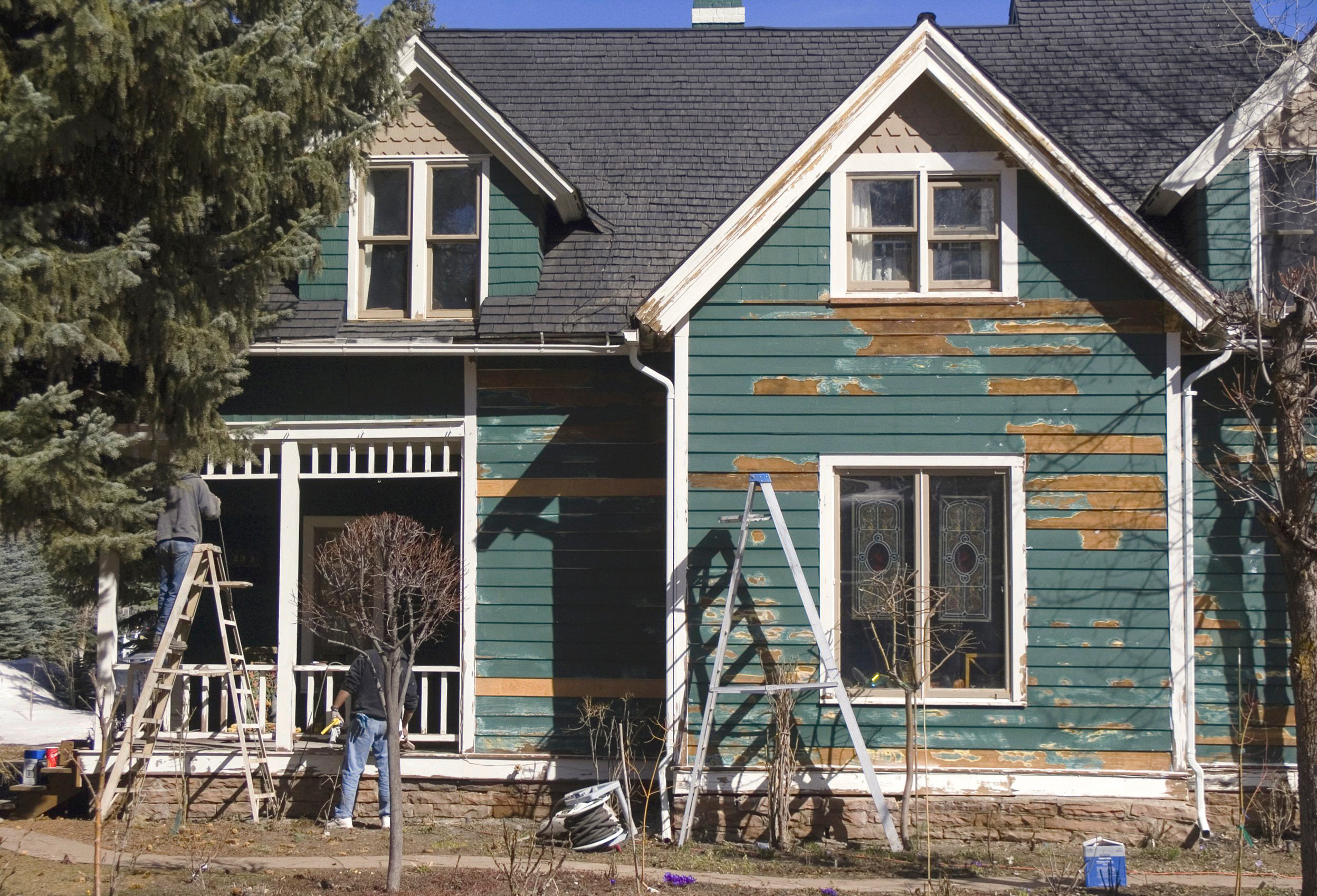
What to Expect When Remodeling an Older Home
Remodeling an older home usually means more unknowns: wiring, plumbing, and framing that previous owners changed, and materials like lead…

Should You Remodel in Winter or Wait Until Spring?
It’s 28 degrees outside, there’s snow in the driveway, and you’re thinking about tearing apart your kitchen. Bad timing? Not…

To Move or Build a Home Addition? That is the Question.
How to Decide What’s Best for Your Family You need more space. The harder question is where to get it.…
It Takes 21 People to Remodel a Home. Do NOT Hire Them All Yourself
When most homeowners picture a remodel, they picture a contractor with a tool belt and a pickup truck. The reality?…